Sufficiency: Building what is truly needed
While buildings are becoming increasingly energy-efficient, they are simultaneously growing more complex, expensive, and even more environmentally burdensome. This calls for a different approach: sufficiency or the art of knowing what is enough. It is not about doing less, but about thinking more intelligently about what is truly necessary.
 Joost Declercq
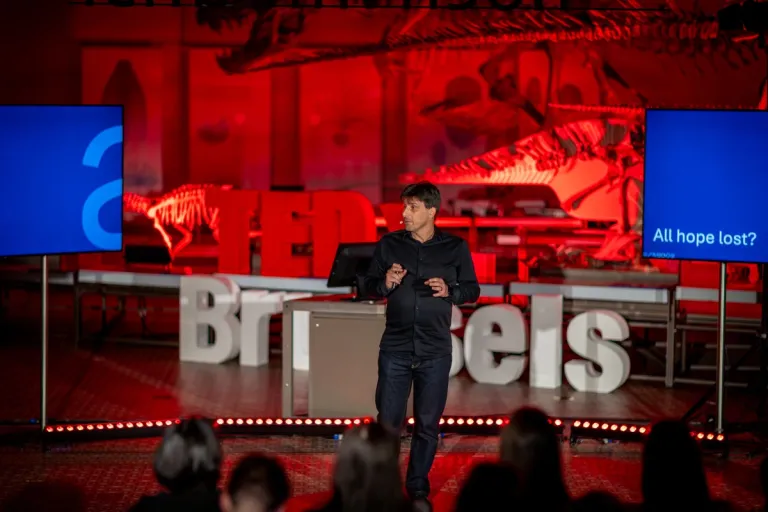
The construction sector is heavily investing in energy efficiency through measures like better insulation, heat pumps, ventilation systems, and LED lighting. However, efficiency only addresses part of the problem, and two distinct mechanisms are undermining these expected gains. On one hand, a phenomenon known as burden shifting occurs. Joost Declercq, Director of Research and Innovation at Archipelago, notes that the carbon emissions avoided during a building's operational phase are effectively transferred to the production of materials and technical systems. On the other hand, the rebound effect is another major factor, where up to 60% of theoretical energy savings are lost because comfort expectations increase and people tend to use more energy.
The numbers speak for themselves. Between 2000 and 2018, average construction costs rose by 55%, while the cost of building services increased by 135%. Integrating more technology does not automatically guarantee greater comfort or a lower environmental footprint; instead, it often leads to higher costs and increased vulnerability.
scheme

From supply to demand
Sufficiency fundamentally shifts this perspective. Instead of asking how to make buildings even better and more efficient, architects must question whether all these buildings, technologies, and high comfort levels are actually necessary. The focus turns away from optimizing whatever is requested and toward critically evaluating the demand itself from the very beginning.
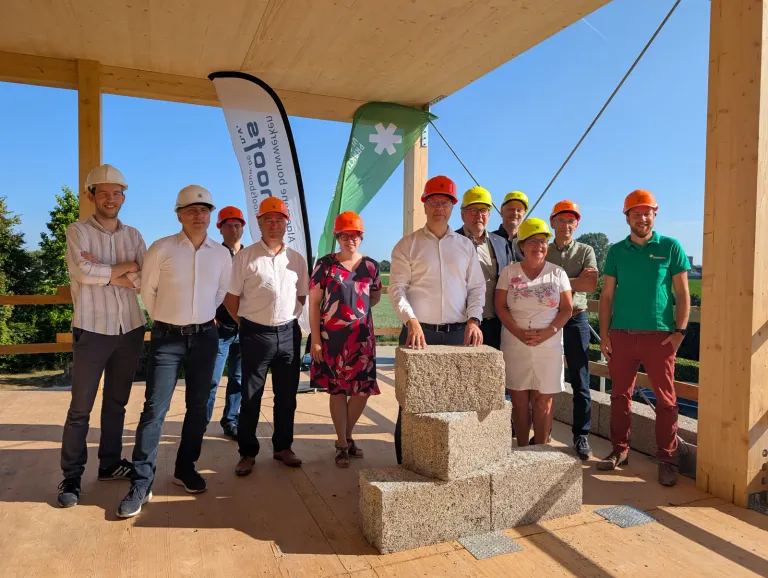
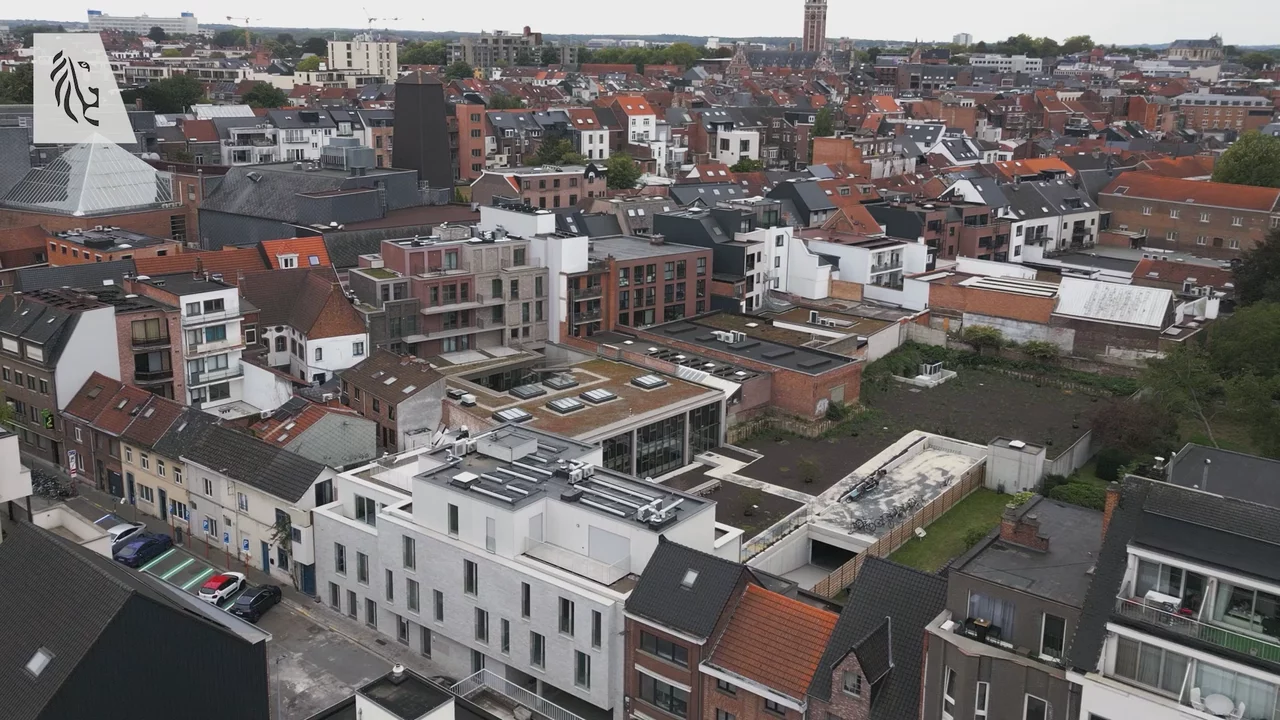
This process starts with the reuse of existing buildings, given that many structures currently sit empty or underutilized. For example, when energy grid operator Fluvius requested an office expansion, it turned out that a brand-new building was entirely unnecessary because the existing structure could be perfectly repurposed. By first examining what was already there, most of the required space could be accommodated. Flexible layouts also offer significant opportunities, allowing offices to be converted into housing and parking towers to be transformed into office space, keeping the structure intact while adapting their function.
Rethinking Comfort
Comfort has quietly become one of the biggest drivers of energy consumption. The average indoor temperature of homes today is four to five degrees higher than it was a few decades ago. While 15 degrees Celsius was once widely accepted, many people now expect a constant 22 to 24 degrees. Declercq points out that lowering the heating by just one degree can save between 15 and 20 percent on energy.
A sufficiency mindset prioritizes common sense over complex technology, favouring an operable window over air conditioning or a ceiling fan over an energy-intensive cooling system. The Flatiron Building in New York, constructed in 1902, serves as an excellent example of how thoughtful architecture can create a comfortable indoor climate without complex systems. Its strategically placed window openings, limited building depth, and shading devices provide a comfortable indoor environment purely through thermal mass and natural ventilation. Declercq emphasizes that a high-quality indoor climate must begin with the architecture itself, with technical systems only being introduced in a later phase.
greenpeace
The Question That Matters
Building with less demands design intelligence, creativity, and rigorous planning. It means maximising the utility of existing structures, selecting materials based on their lifespan and environmental impact, and critically evaluating every square metre and every comfort requirement.
Research demonstrates that occupants are generally more satisfied in buildings where they can directly influence their surroundings. Features such as operable windows, adjustable blinds, or mixed-mode ventilation give people a greater sense of control. When occupants are able to control their surroundings, they tend to accept minor temperature fluctuations much more easily. The mere possibility of taking control often has a positive psychological effect, even if the window is rarely opened. The true key to sustainability in the built environment lies not only in efficiency but in sufficiency: using space, comfort, and resources more consciously, and continually asking what is enough.
"A high-quality indoor climate must begin with the architecture itself, with technical systems only being introduced in a later phase" Joost Declercq
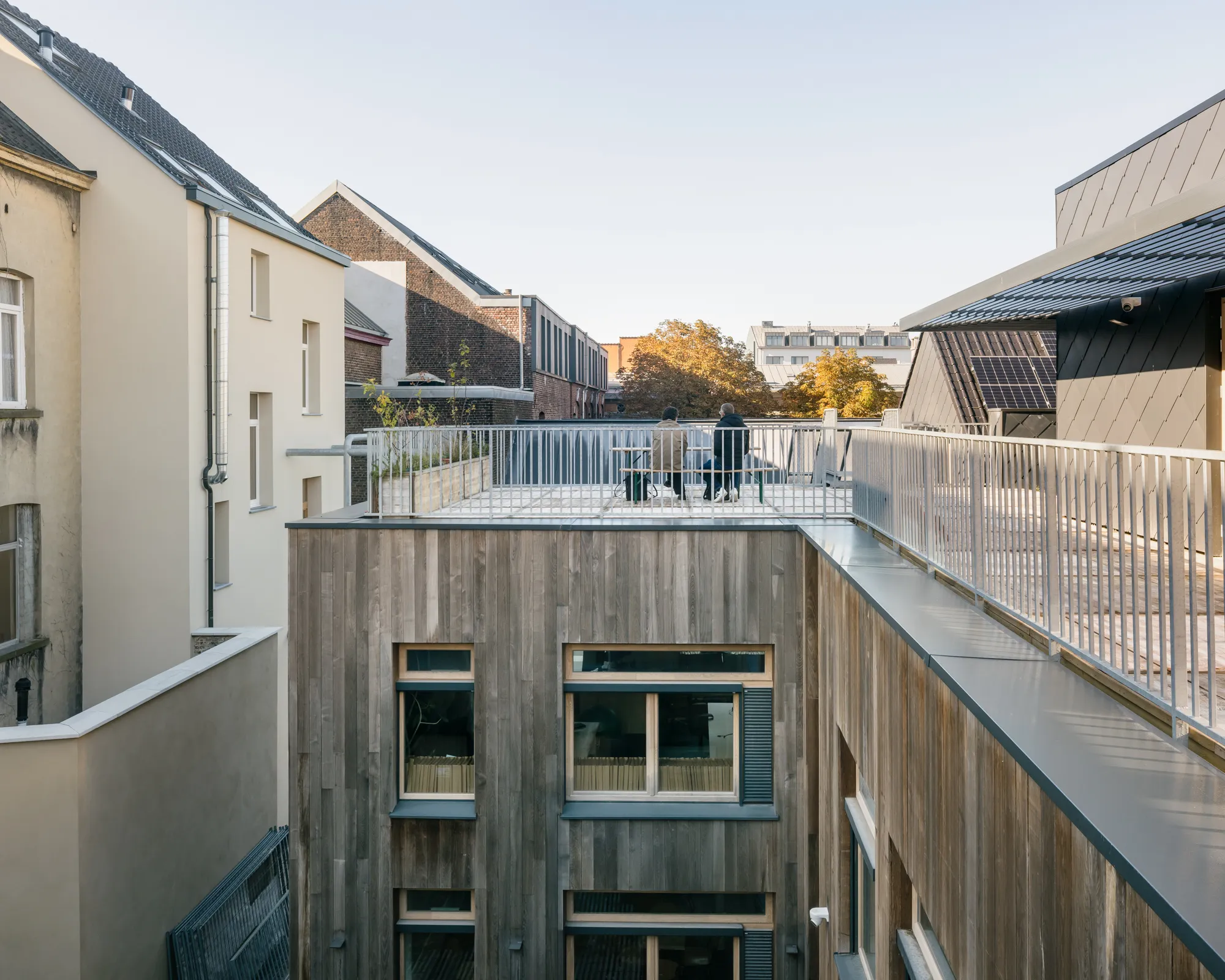
Case study: Greenpeace Belgium headquarters
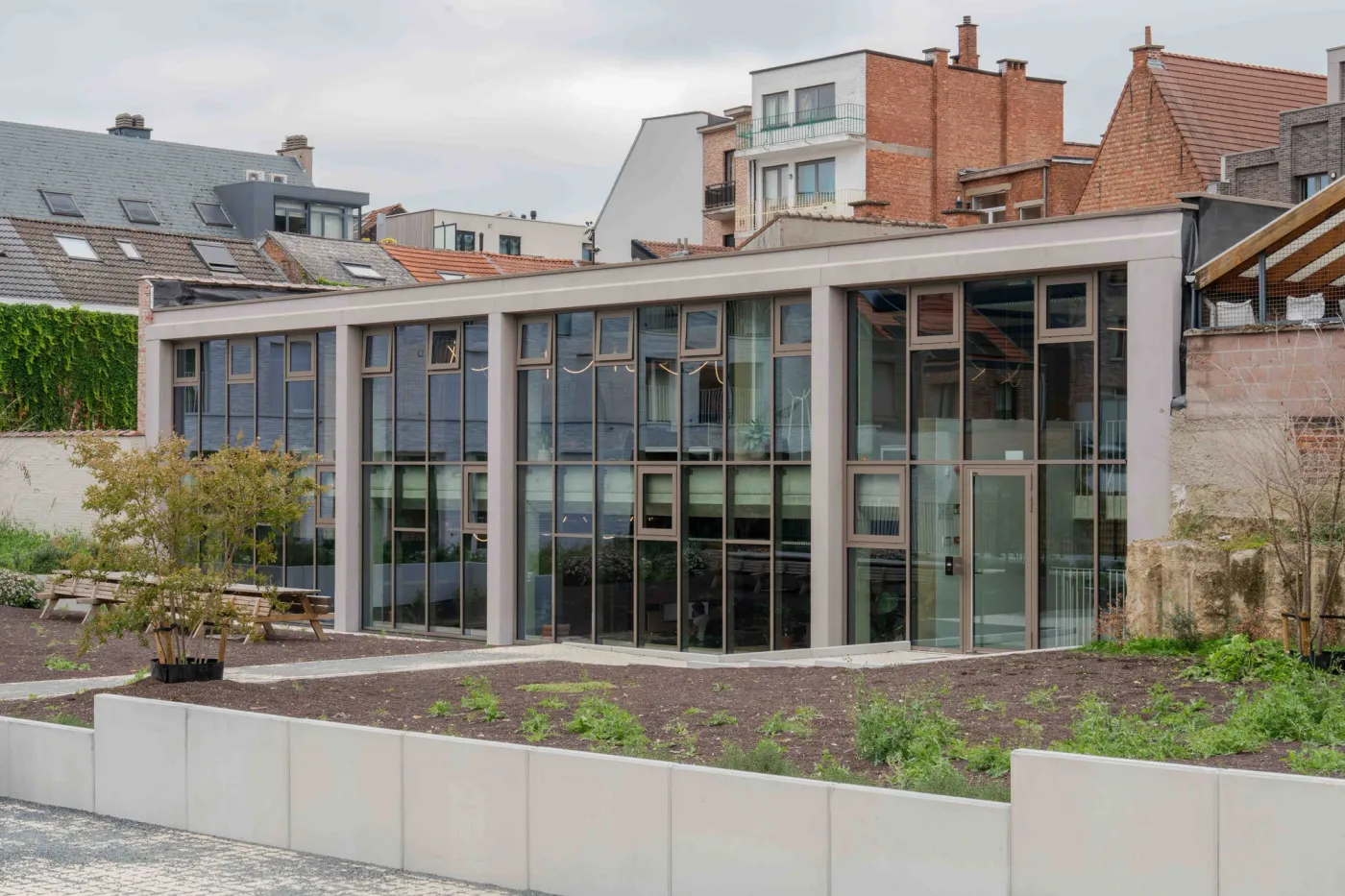
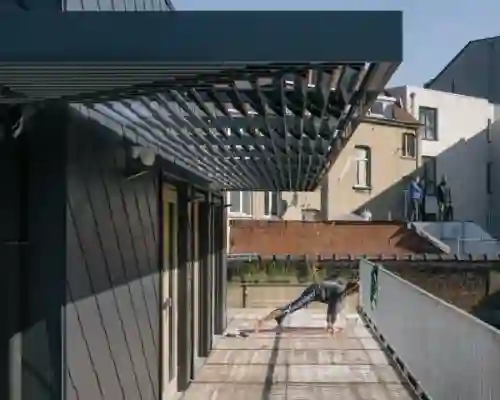
The renovation of the Greenpeace Belgium headquarters in Brussels was guided by this exact philosophy. Archipelago began by thoroughly assessing the inherent qualities already present in the existing building.
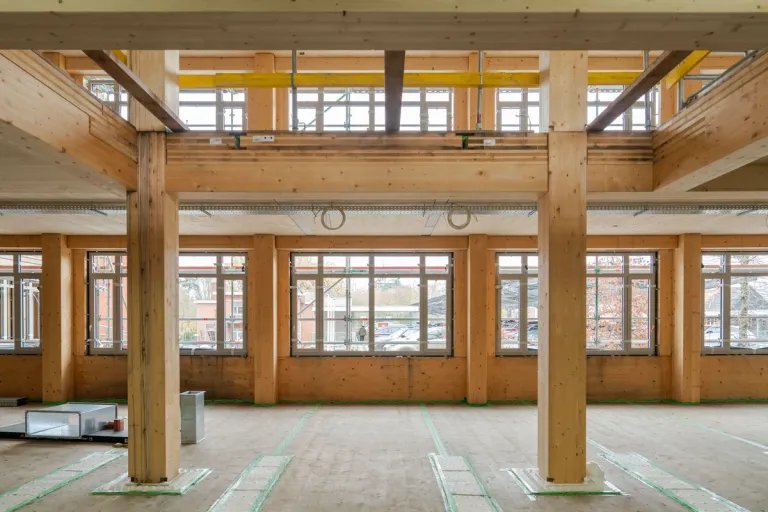
The building programme was then refined in light of these findings. Wherever necessary, the team adapted not only the design but, where necessary, the programme itself so that it aligned seamlessly with the building’s inherent qualities. Only after this step were limited technical interventions introduced. The resulting renovation maximises the use of the existing structure and passive design strategies, requiring as little new material and technology as possible.
Related projects & research